On this page
No rivalry in watchmaking is as fierce as Rolex vs Omega. Both are Swiss giants with massive histories, but they appeal to different mentalities. This is our independent, brand-neutral breakdown of how they compare in the areas that matter most to buyers.
Heritage and Brand Identity
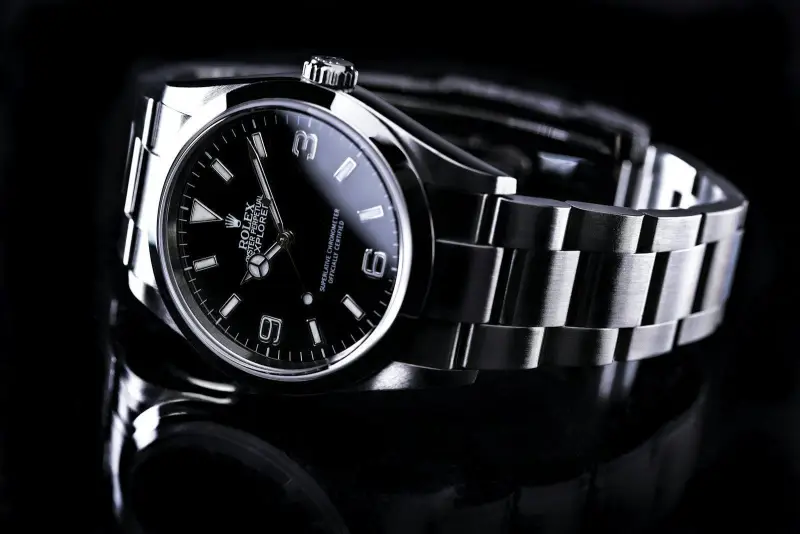
Rolex built its name on pioneering tool-watch achievements — the waterproof Oyster case, the automatic rotor, and timing record-breaking climbs and dives. Omega, on the other hand, boasts an unmatched space heritage, with the Speedmaster being the first watch worn on the Moon, as well as timing the Olympic Games. Both brands have rich histories; it comes down to which narrative you prefer.
Mechanical Innovation
The brands use different approaches to movement engineering. Rolex refines the traditional Swiss lever escapement with the Chronergy escapement, prioritizing simplicity and robustness. Omega uses the Co-Axial escapement, which reduces friction and reliance on oil. Omega also certifies its watches through METAS, offering 15,000 gauss of magnetic resistance across its main catalog.
Buying Experience and Resale Value
This is where they differ most. Walk into a Rolex boutique, and you will likely find display-only models and waitlists. Walk into an Omega boutique, and you can try on and buy almost any reference immediately. On the secondary market, Rolex watches tend to hold their value exceptionally well, while Omega watches typically experience standard depreciation after purchase.
Which Should You Choose?
Choose Rolex if you value classic, timeless designs, ultimate brand recognition, and strong resale protection. Choose Omega if you appreciate cutting-edge movement technology, immediate availability, and better value-for-money at retail. If you are starting out, our pre-owned buying guide is a great starting place.
At a Glance
| Factor | Rolex | Omega |
|---|---|---|
| Signature Model | Submariner / Datejust | Speedmaster / Seamaster |
| Core Escapement | Chronergy (Swiss lever) | Co-Axial (George Daniels) |
| Entry Pricing | Higher (typically $7,000+) | More accessible (typically $5,000+) |
| Resale Demand | Exceptional (often premiums) | Strong (some depreciation) |
| Anti-magnetic certification | Superlative Chronometer | METAS Master Chronometer |
Frequently Asked Questions
Which brand is more accurate?
Both offer exceptional accuracy. Rolex certifies its watches to -2/+2 seconds per day, while Omega’s Master Chronometers are tested to 0/+5 seconds per day.
Why are Rolex watches harder to buy?
Demand for Rolex watches vastly exceeds supply, creating long dealer waitlists, whereas Omega watches are generally available immediately.
Reviews Editor
Sofia Marchetti
Reviews editor focused on dive watches, chronographs and everyday wearability.